Mahalaya Paksha, also known as Pitru Paksha, is a sacred period in the Hindu tradition dedicated to remembering and offering respects to one’s ancestors (Pitru Devatas). During these days, families traditionally perform Tarpanam, Shraddha and other ancestral rites according to their family tradition and regional customs.
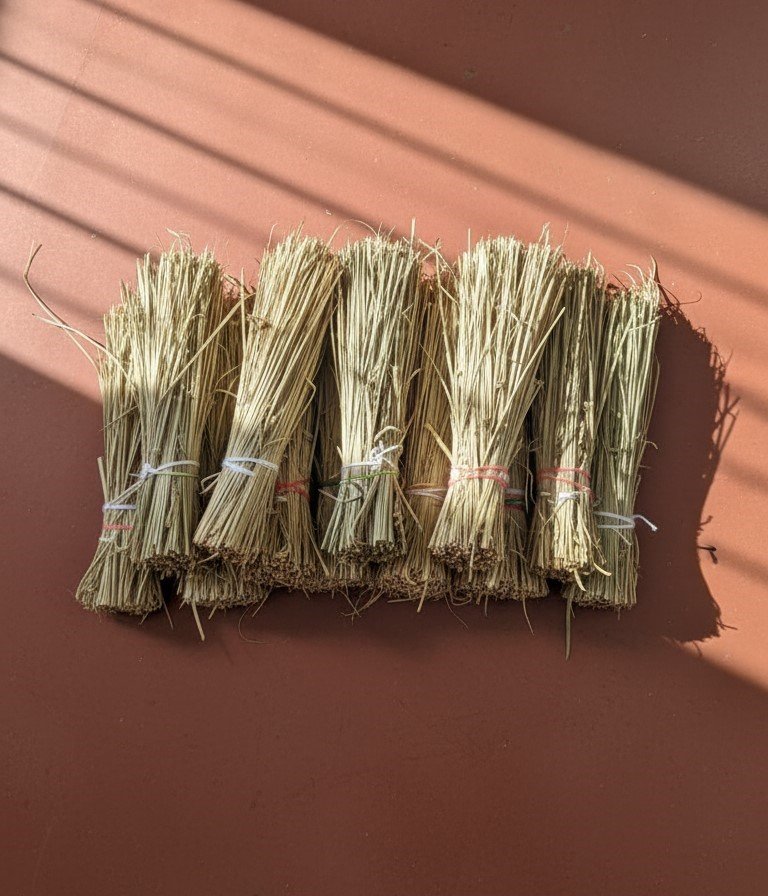
One of the most important sacred materials used in many of these rituals is Darbha grass, also known as Kusha grass. Darbha has a special place in Vedic rituals and is traditionally regarded as a sacred grass capable of sanctifying the ritual space and offerings.
Mahalaya Paksha (Pitru Paksha) 2026 is observed from Saturday, 26 September 2026 to Saturday, 10 October 2026.
What is Darbha?
Darbha (Desmostachya bipinnata) is a perennial grass that has been used in Hindu religious and Vedic rituals since ancient times.
Darbha is traditionally used during Sankalpa, Tarpanam, Shraddha, Homa, Puja and other Vedic ceremonies.
In many traditional practices, Darbha is placed beneath or around ritual vessels, held in the hand during specific rituals, or fashioned into a ring known as Pavitram.
Why is Darbha considered sacred?
Darbha occupies an important position in Vedic ritual practice. Traditional Hindu texts and ritual procedures prescribe its use in several forms of worship and ceremonies.
It is traditionally associated with purity, sanctity and protection.
During a religious ceremony, the use of Darbha signifies that the ritual is being performed in a ritually pure and prescribed manner.
Darbha is particularly important because it is not merely treated as an ordinary grass. Its use has been incorporated into ritual procedures that have been transmitted through generations.
Darbha in Pitru Tarpanam
During Pitru Tarpanam, Darbha is commonly used as part of the ritual procedure.
The person performing Tarpanam may wear a Darbha Pavitram on the ring finger or hold Darbha according to the particular tradition being followed.
Darbha may also be placed along with water and other ritual materials during the offering.
What is Mahalaya Paksha?
Mahalaya Paksha is a period traditionally dedicated to the remembrance and honouring of departed ancestors.
It is also commonly called Pitru Paksha or Shraddha Paksha.
It consists of a period of approximately fifteen lunar days, culminating in Mahalaya Amavasya, which is traditionally regarded as an especially significant day for ancestral observances.
During this period, families remember their departed parents, grandparents and earlier ancestors and perform prescribed offerings according to their tradition.
Why do Hindus perform Mahalaya Paksha?
Hindus perform Mahalaya Paksha (also known as Pitru Paksha) to honor , express gratitude to , seek blessongs from their separted ancestors
- Repaying Ancestral Debts (Pitru Rina): Hindus believe that a person is born with debts to the sages, gods, and ancestors. Performing rituals like Tarpanam (offering water and black sesame seeds) and Shraddham helps clear the karmic debt owed to previous generations for passing down life, knowledge, and heritage.
- Welcoming the Souls (Pitrus): According to scripture and tradition, the souls of ancestors descend from Pitru Loka (the realm of ancestors) during this period to visit their living descendants on Earth.
- Offering Sustenance and Peace: Ritual offerings of food (Pinda Daan) and water satisfy the unfulfilled desires or lingering karmic bonds of departed souls, helping them find peace and transition smoothly to higher realms.
- Seeking Blessings and Protection: When satisfied through sincere prayers and offerings, the ancestors bestow health, long life, wealth, and spiritual growth upon the living family, while removing obstacles and relieving familial distress (Pitru Dosha).
- Compensating for Missed Rites: If a person forgot or was unable to perform the annual death anniversary (Shraddha) ritual for a parent or ancestor during the year, performing it during Mahalaya Paksha makes up for the omission
The Significance of Pitru Tarpanam
Tarpanam comes from the Sanskrit root associated with satisfying or offering with devotion.
In Pitru Tarpanam, water is traditionally offered with appropriate mantras and remembrance of the ancestors.
The offering is performed with humility and devotion.
Depending upon one’s tradition, the ritual may include:
- Taking a ritual bath and preparing oneself.
- Wearing clean traditional clothing.
- Performing Sankalpa.
- Using Darbha according to the prescribed procedure.
- Offering water as Tarpanam.
- Remembering the appropriate ancestors.
- Completing the ritual with prayers.
The exact mantras and procedure should be followed according to one’s Vedic tradition and family custom.
Why is Darbha used during Mahalaya Paksha?
Darbha has a particularly important ritual role in ceremonies connected with the ancestors.
During Tarpanam and Shraddha ceremonies, Darbha is traditionally used as part of the ritual arrangement and is also used as Pavitram.
Its presence represents the ritual sanctity of the ceremony.
In traditional practice, Darbha is associated with:
Purity
Darbha is traditionally regarded as a sacred material suitable for Vedic rituals.
Ritual sanctity
Its use helps mark the ceremony as a prescribed religious observance rather than an ordinary offering.
Connection with Vedic tradition
Darbha has been incorporated into numerous Vedic rituals and continues to be used in ancestral ceremonies.
Symbolism of sacred protection
Traditional ritual practice associates Darbha with maintaining the sanctity of the ritual environment.
Mahalaya Amavasya
The final day of Mahalaya Paksha is Mahalaya Amavasya.
It is traditionally considered an important day for remembering ancestors, particularly when the specific tithi of an ancestor is not known or when families observe Amavasya-related ancestral rites according to their tradition.
Many families perform:
- Pitru Tarpanam
- Shraddha
- Pinda Pradana
- Annadana
- Other prescribed ancestral observances
Again, the appropriate practice depends upon one’s family tradition and Sampradaya.
Darbha – An Essential Part of Traditional Rituals
Darbha continues to hold an important place in Hindu religious practices.
From daily rituals and Sankalpa to Homas, Tarpanam and Shraddha, its use can be found across many traditional ceremonies.
During Mahalaya Paksha, families following traditional Pitru rituals commonly keep Darbha available for the prescribed ceremonies.
Those performing Tarpanam or Shraddha should follow the procedure taught by their family priest, Guru or Sampradaya, since the details can differ between traditions.
Conclusion
As Mahalaya Paksha approaches, families can prepare the required traditional materials, including Darbha, and perform the ancestral observances according to their family tradition, Vedic practice and guidance of their Acharya or priest.
May the blessings of our Pitru Devatas remain with our families and may we continue to preserve the sacred traditions passed down through generations.
Product Links:
Dharbha with Pavitra : https://raghavendrastores.in/product/the-sacred-dharbha-grass-kusha-grass-pack-of-10/
Long Dharbha : https://raghavendrastores.in/product/the-sacred-dharbha-grass-kusha-grass-bundles-for-puja-and-other-rituals-30-cm-long-pack-of-5/